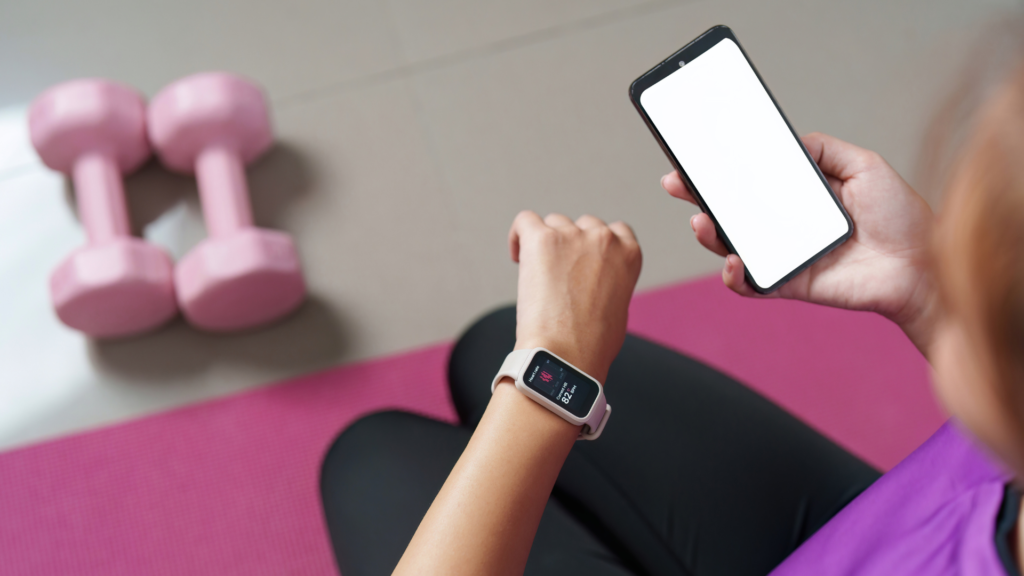

Many people rely on the scale to measure fitness progress, but weight alone does not provide a complete picture. Factors like muscle gain, water retention, and body composition changes can influence the number on the scale without reflecting true improvements.
Tracking fitness progress without the scale involves focusing on measurements such as body measurements, strength gains, endurance, and how clothes fit. These indicators offer more accurate insights into physical changes and overall health improvement.
By paying attention to performance milestones, energy levels, and physical appearance, individuals can get a clearer sense of their progress. This approach helps maintain motivation and encourages sustainable fitness habits.
Moving Beyond the Scale: Understanding True Fitness Progress
Tracking fitness progress requires more than just watching body weight. It involves recognising changes in body composition, strength, endurance, and overall well-being. These factors provide a clearer picture of true improvements during a fitness journey.
Pitfalls of Relying on Body Weight
Body weight alone is an unreliable indicator of fitness progress. It fluctuates daily due to water retention, food intake, and hormonal changes. These variations can obscure real changes like fat loss or muscle gain.
Muscle weighs more than fat, so gaining muscle while losing fat may keep the scale steady or even increase weight. This can discourage people even though their body composition is improving.
Focusing solely on the scale ignores other important aspects like fitness levels and metabolic health. Relying on body weight causes many to overlook meaningful progress.
What Counts as Real Progress?
Real progress reflects improvements in body composition and physical fitness. Losing fat while maintaining or increasing muscle mass demonstrates positive changes.
Strength gains, increased endurance, better mobility, and improved energy levels are measurable signs of fitness progress. These improvements contribute directly to health and performance.
Tracking non-weight changes like waist circumference or how clothes fit provides tangible evidence of fat loss. Progress in fitness is also about consistency in training and daily activity, not just weight numbers.
Overview of Non-Scale Tracking Methods
Non-scale methods include body measurements, body fat percentage, and progress photos. These tools better reveal changes in muscle growth and fat reduction.
Fitness tests, such as timed runs, number of push-ups, or flexibility assessments, show improvements in strength and endurance. Monitoring how energy levels and daily function improve is also important.
A simple tracking table can help organise these results:
| Method | What It Tracks | Why It Matters |
| Tape Measurements | Waist, hips, limbs | Shows fat loss and body shape |
| Body Fat Percentage | Fat vs muscle mass | More accurate than weight alone |
| Progress Photos | Visual changes over time | Motivates and shows muscle gain |
| Fitness Performance | Strength, stamina, flexibility | Reflects overall fitness |
Using multiple tracking methods creates a comprehensive view of fitness progress beyond the scale.
Physical Changes: Alternative Ways to Measure Your Progress
Tracking fitness progress without relying on body weight offers clearer insight into physical improvements. Measuring specific body parts, analysing clothing fit, using images, and assessing body composition reveal changes in muscle gain, fat loss, and overall shape more accurately than the scale.
Tracking Measurements with a Tape Measure
Using a tape measure to track specific body parts helps identify changes invisible on the scale. Common measurement sites include the waist, hips, chest, arms, and thighs. Recording these regularly shows reductions in fat or increases in muscle size.
It is important to measure at the same time of day and under consistent conditions to ensure accuracy. Writing down results allows for comparison over weeks or months, highlighting non-scale victories like decreased waist circumference or larger biceps.
This method is practical and inexpensive, making it accessible for anyone wanting objective physical feedback beyond body weight fluctuations.
The Power of Progress Photos
Progress photos provide a visual record of physical changes that numbers may miss. They capture differences in posture, muscle definition, and body shape over time.
Photos should be taken regularly—ideally weekly or biweekly—in consistent lighting, clothing, and poses to track transformations accurately. Front, side, and back shots offer comprehensive views.
Comparing these images side-by-side helps build confidence as visual changes become more apparent, highlighting fat loss or muscle gain that may not show on the scale.
Analysing How Clothes Fit
Changes in how clothes fit are practical indicators of fitness progress. Looser waistbands or tighter-fitting sleeves can signal fat loss or muscle gain, respectively.
Paying attention to trousers, shirts, and dresses can reveal subtle shifts in body composition. This method offers real-world feedback that reflects changes in body shape beyond numbers.
Keeping a note of which clothes fit better or worse over time provides non-quantitative yet valuable proof of physical transformation and increased confidence.
Using Body Composition Tools
Body composition tools measure fat percentage, muscle mass, and other physical elements that weight scales cannot differentiate. Popular methods include bioelectrical impedance scales, skinfold callipers, and DEXA scans.
While some tools vary in accuracy, regular measurement helps track trends in fat loss and muscle gain more precisely. Fat percentage reduction with stable body weight often indicates improvement.
Using these devices alongside other methods offers a comprehensive view of physical progress, enabling adjustments to diet or training based on factual body composition changes.
Performance and Well-Being Indicators
Tracking fitness progress extends beyond numbers on a scale. Key indicators include changes in physical ability and improvements in daily energy and recovery. These measurable signs help to assess true development and overall health.
Monitoring Strength Gains and Endurance
Strength gains are often the most tangible indicator of progress. He or she can measure this by increasing the resistance or weight in exercises over time. Tracking repetitions and sets completed with improved form also signals advancement.
Endurance relates to sustaining activity for longer periods. Monitoring heart rate during cardio workouts provides insight into cardiovascular fitness. A lower heart rate at the same intensity means better endurance. Using a fitness tracker can help record these changes consistently.
Noticing Increased Flexibility and Mobility
Improvements in flexibility mean a greater range of motion in joints. This can be tracked through specific stretching exercises, noting ease or depth over sessions. Mobility includes joint control during dynamic movements and is crucial for injury prevention.
Consistency in mobility and flexibility routines will lead to noticeable improvements, such as easier bending or reaching. Keeping a simple log or video record of movement quality allows for objective comparison over weeks and months.
Assessing Energy Levels and Stamina
Energy levels reflect the body’s ability to perform daily tasks and workouts. An increase in stamina allows longer or more intense exercise sessions without excessive fatigue. Tracking how quickly recovery occurs between sets is one useful method.
Endorphins released during exercise contribute to mental clarity and sustained motivation. Maintaining a workout schedule supports steady energy improvements, which can be noted subjectively or through tools like fitness apps.
Evaluating Sleep Quality and Recovery
Sleep quality directly influences fitness progress and recovery. Monitoring hours slept and periods of deep sleep through wearable devices helps quantify rest. Better sleep results in improved muscle repair and enhanced energy levels.
Recovery includes both physical and mental rest. Signs of good recovery are reduced soreness, consistent workout performance, and stable heart rates. Prioritising sleep and rest days ensures progress without overtraining.
Tracking Mindset and Daily Habits
Tracking fitness progress without relying on the scale involves focusing on meaningful behavioural patterns and mental shifts. Emphasising specific habits and recognising intangible achievements allows for clearer insight into physical and psychological improvements.
Celebrating Non-Scale Victories
Non-scale victories highlight achievements unrelated to weight but key to fitness growth. These can include improved stamina, better sleep quality, looser clothing, or enhanced muscle tone.
Acknowledging these wins builds confidence and motivation. For example, completing a longer run or holding a plank for an extra 30 seconds shows progress. Such victories affirm effort and help maintain a positive mindset without fixating on numbers on the scale.
Tracking these moments regularly, either mentally or in writing, reinforces their importance and boosts adherence to fitness routines.
Utilising a Workout Log or Fitness Journal
A workout log or fitness journal is essential for detailed tracking of physical activity. It documents exercises, repetitions, weights, and durations, providing concrete data on improvements.
Consistency in logging workouts allows for pattern recognition and helps adjust routines as needed. It also acts as proof of progress when visual changes are not obvious.
Including notes on energy levels, pain, or mood can connect physical effort to overall mental health, making the journal a holistic tool for fitness progress tracking.
Recognising Improvements in Mental Health
Tracking mental health is crucial when evaluating fitness progress. Increased energy, better mood, reduced anxiety, or improved sleep are significant markers.
These changes impact motivation and consistency, often preceding physical results. Fitness activities can enhance self-esteem and reduce stress, which are important non-physical benefits.
Noting shifts in mental health in a journal or app provides a fuller picture of progress beyond the body. It encourages focus on wellness rather than just appearance.
Creating Sustainable Consistency
Consistency is more valuable than intensity when tracking fitness progress without the scale. Developing small, manageable daily habits ensures long-term adherence.
Scheduling workouts, setting realistic goals, and allowing rest days prevent burnout and injury. Using reminders or apps helps maintain a routine.
By focusing on steady effort rather than drastic changes, individuals build a sustainable lifestyle that promotes continual improvement in both fitness and mental well-being.