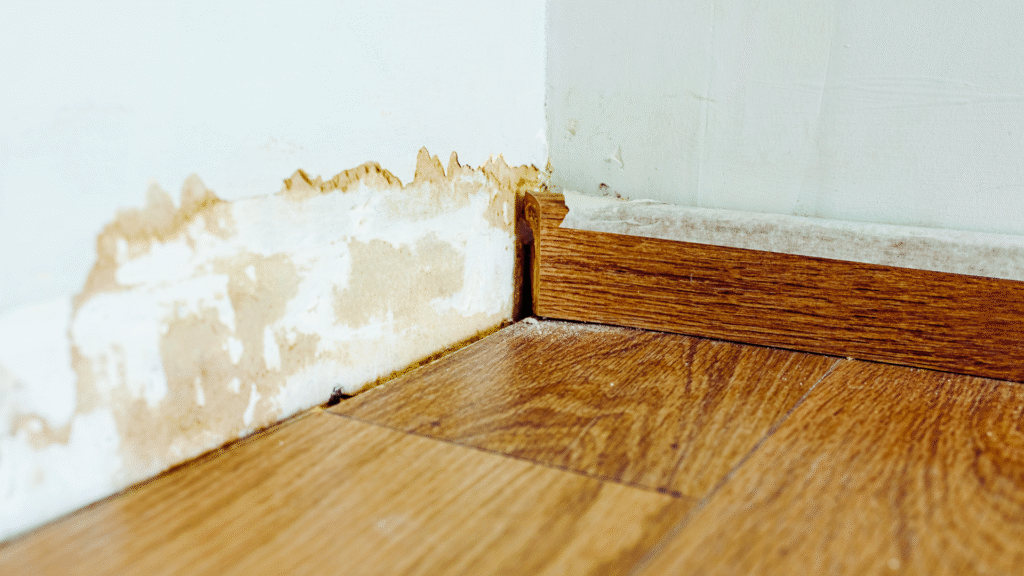

Older homes possess a unique charm, but they are often more susceptible to damp and mould due to their age and construction methods. Preventing damp and mould in such properties involves regular maintenance, appropriate ventilation, and prompt attention to leaks. Homeowners can take specific steps to reduce moisture levels and protect their living spaces from these unwanted issues.
The first measure is to ensure proper ventilation throughout the house. This can include using exhaust fans in kitchens and bathrooms, opening windows to encourage airflow, and installing vents where necessary. Additionally, addressing any plumbing issues or roof leaks promptly is essential to prevent moisture accumulation.
Lastly, applying damp-resistant paints and sealants can help create barriers against dampness. Keeping gutters clear and ensuring proper drainage around the property will further protect the home. By implementing these strategies, owners can maintain the integrity of their older homes and enhance their living environment.
Understanding Damp and Mould in Older Homes
Damp and mould are common issues found in older homes due to various factors such as age, materials, and lack of modern building techniques. Recognising the specific types of damp, identifying signs and causes, and being aware of the associated health risks are crucial steps in mitigating these problems.
Types of Damp
There are three main types of dampness that can affect older homes:
- Rising Damp: This occurs when moisture from the ground rises through the walls. It typically affects the lower sections of walls and can lead to peeling paint, damaged plaster, and health issues.
- Penetrating Damp: This type results from water entering the property from outside due to faulty roofing, plumbing leaks, or damaged walls. It can appear as damp patches, often with associated stains or mould.
- Condensation: Common in older homes, condensation arises when warm, moist air cools against cold surfaces. This results in water droplets forming, potentially leading to mould growth in corners, behind furniture, or in poorly ventilated areas.
Signs and Causes of Dampness
Identifying dampness requires keen observation of key signs:
- Visible Damp Patches: These often appear on walls or ceilings, indicating underlying damp problems.
- Musty Smell: A persistent musty odour can signify mould presence, stemming from moisture accumulation.
- Mould Growth: Black mould or mildew can often be found in areas with high humidity or poor air circulation.
Common causes include:
- Poor Ventilation: Inadequate air circulation can trap moisture, leading to condensation.
- Faulty Plumbing: Leaks and bursts can introduce excess moisture into building materials.
- Structural Issues: Cracks in walls or roofs can allow water ingress, creating damp spots.
Health Risks Associated with Damp and Mould
Damp and mould can pose significant health risks, including:
- Respiratory Problems: Individuals with asthma or allergies may experience worsened symptoms due to mould exposure.
- Allergic Reactions: Mold spores can trigger allergic reactions, leading to sneezing, coughing, and skin irritation.
- Bacterial Infections: Certain types of mould can create an environment conducive to bacterial growth, increasing the risk of infections.
Mitigating these risks involves addressing dampness promptly and ensuring proper ventilation and maintenance practices are in place.
Identifying and Diagnosing Damp Problems
Recognising damp issues early can prevent more extensive damage in older homes. This section outlines how to identify signs of damp, understand common causes, and determine when to seek professional help.
Recognising the Signs of Damp
Damp problems can manifest in various ways. Common signs include:
- Peeling wallpaper: Often indicates moisture trapped behind the wall.
- Rotting skirting boards: Wood that feels soft or discoloured usually suggests prolonged exposure to moisture.
- Mould growth: Dark spots, especially in corners or around windows, signal damp issues.
- Musty odours: A persistent damp smell is often an indication of hidden moisture sources.
Regular inspections can help homeowners spot these signs early. Awareness of high-risk areas, such as basements and bathrooms, is essential.
Common Causes in Older Properties
Older properties often face specific challenges that contribute to damp issues. These include:
- Structural defects: Cracks in walls or faulty gutters can allow water ingress.
- Poor ventilation: Inadequate airflow fosters moisture retention and mould growth.
- Damp-proof courses: Outdated or damaged damp-proof courses can lead to rising damp.
Homeowners should assess these factors during routine maintenance. Identifying the root cause is critical for effective remediation.
When to Consult a Chartered Surveyor
If damp issues persist or are extensive, seeking the advice of a chartered surveyor can be beneficial. A surveyor can provide expert assessments on:
- The extent of the damp problem.
- Recommendations for repairs and remedial action.
- Potential impacts on property value and safety.
Engaging a professional can ensure comprehensive diagnostics, especially for structural concerns. This investment can save significant costs in future repairs if critical issues are addressed early.
Prevention and Solutions for Damp and Mould
Addressing damp and mould requires a multi-faceted approach focused on improving air quality, controlling moisture, effective heating, and regular property maintenance. These strategies can greatly reduce the risk of damp-related issues in older homes.
Improving Ventilation and Airflow
Enhanced ventilation is crucial for reducing moisture build-up. Installing extractor fans in kitchens and bathrooms helps remove moist air, especially during cooking or bathing.
Windows should be opened regularly to allow fresh air circulation. In older homes, consider adding trickle vents to windows, which facilitate airflow without compromising security.
Utilising air bricks in brickwork can also aid airflow. Ensure that vents are not blocked by furniture or condensation build-up. Effective ventilation can significantly help against mould growth by keeping indoor humidity levels lower.
Managing Humidity and Condensation
Controlling indoor humidity is essential for preventing damp. Using a dehumidifier can help maintain optimal humidity levels, ideally between 30% and 50%.
Keeping an eye on temperature differences helps, too; cold walls can lead to condensation. Maintaining warmth in colder months is vital.
To prevent condensation, avoid drying clothes indoors when possible, as this increases humidity. Insulating cold surfaces, like walls, can reduce the chance of water droplets forming.
Effective Heating Strategies
Proper heating is vital for maintaining a consistent temperature throughout the home. Central heating systems should be regularly serviced to ensure optimal performance.
Using smart heating controls enables homeowners to adjust heating efficiently, preventing the formation of cold spots.
In addition, radiant heating can provide a more consistent warmth across rooms, reducing cold walls that attract moisture. Well-designed radiators and heating systems also play an essential role in maintaining even temperatures.
Modern solutions, such as those offered by Radiator Outlet, including efficient radiators and underfloor heating options, help distribute heat more effectively and keep the home warmer for longer. Keeping the home warm in winter not only enhances comfort but also helps prevent dampness and mould growth.
Damp-Proofing and Property Maintenance
Regular property maintenance can prevent water ingress and mould formation. Inspect gutters and guttering for blockages, as these can lead to excess moisture accumulating near the property’s foundation.
Ensure that roof tiles and seals are intact to prevent leaks. Regular checks on brickwork and masonry for cracks or damage, and performing necessary repairs, are essential.
For more extensive issues, particularly with the roof itself, professional assessment is often required. Experts in winnipeg roofing, or elsewhere, can identify subtle damage that might otherwise go unnoticed, such as compromised shingles or underlying structural weaknesses.
Tackling these roofing issues properly takes real expertise and a trained eye. A good roofing contractor will carry out thorough inspections, spotting problems like damaged flashing, worn underlayment, or storm damage that could be letting moisture in. If you’re in the Southwest for instance, finding a trusted roofer company Phoenix Arizona becomes particularly important—the intense sun and unpredictable monsoon seasons demand contractors who understand which materials and installation methods will actually last in those conditions. The right professionals won’t just patch things up; they’ll ensure your repairs can handle whatever the local climate throws at them, keeping your home protected for years to come.
For residents in specific areas, finding reliable local expertise is paramount. For instance, homeowners in Central Alberta seeking comprehensive solutions for their roof’s longevity and performance often turn to experienced Sylvan Lake roofing companies. These local specialists understand regional weather patterns and building codes, ensuring that repairs and installations are not only effective against damp but also durable. Engaging such professionals guarantees peace of mind, knowing your home’s first line of defense against the elements is robustly maintained. Investing in quality repairs or replacements ensures long-term protection against the elements and maintains the structural integrity of the home.
Addressing these problems proactively not only prevents further water ingress but also extends the lifespan of the entire roofing system. Investing in quality repairs or replacements ensures long-term protection against the elements and maintains the structural integrity of the home.
Installing a damp-proof course can also provide a barrier against rising damp. Keeping external walls clear of vegetation and ensuring good drainage can further help maintain a dry environment in the home.